Spring Cleanup and Startup
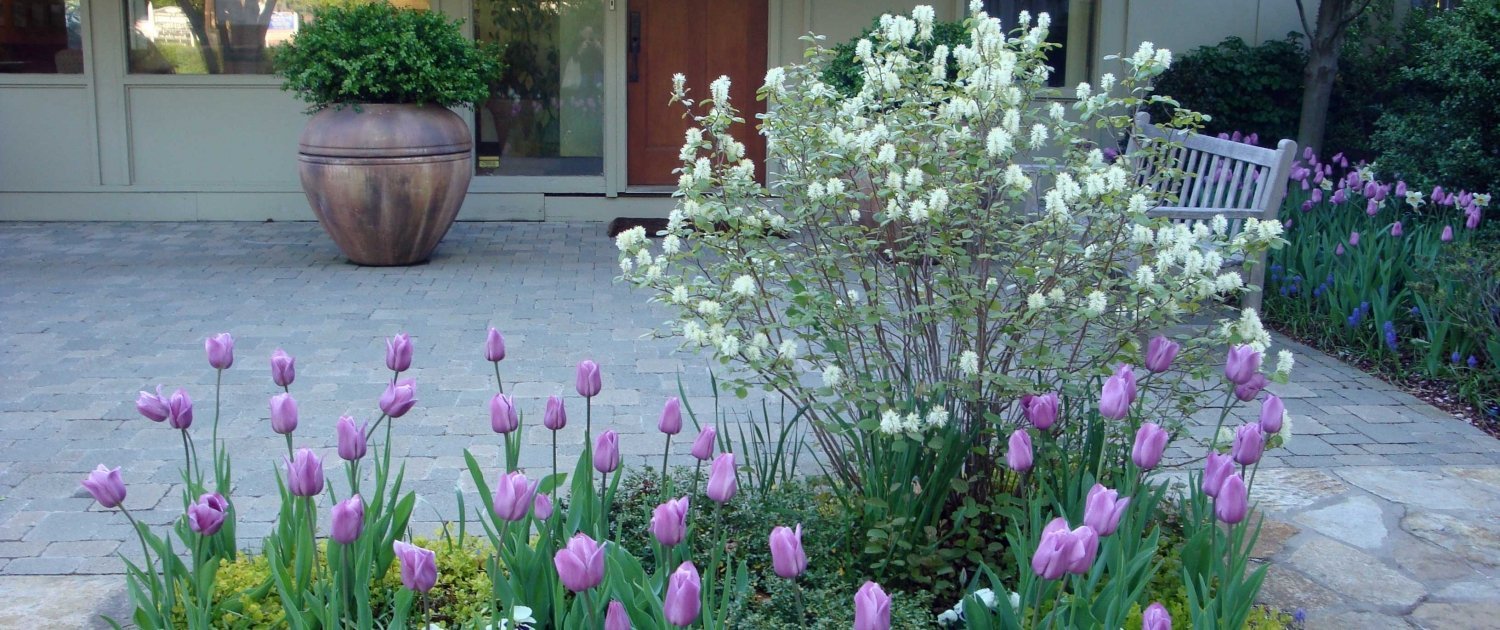
Spring is here.
The following are 20 things you should know about spring.
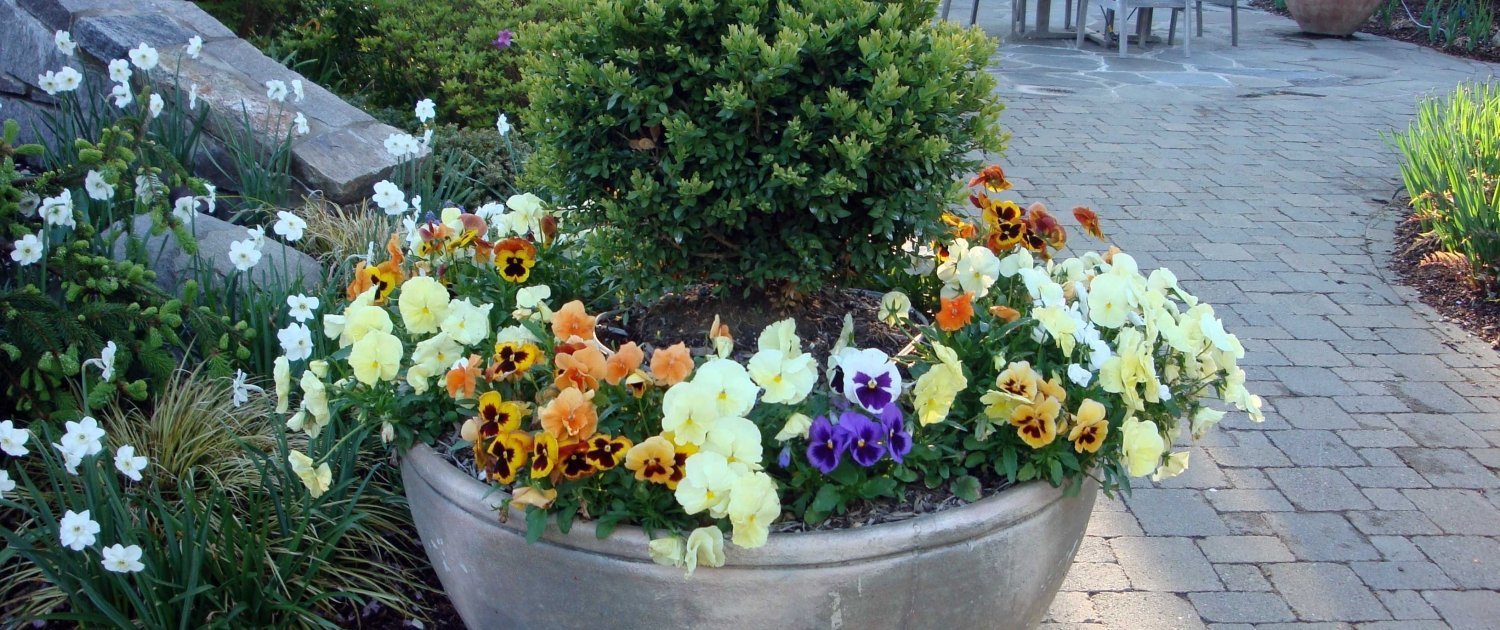
Who’s ready for tulips, pansies and Dwarf Fothergilla flowers?
1. March 20th is the first day of spring. Before long the first day of summer (June 20th) will be here!
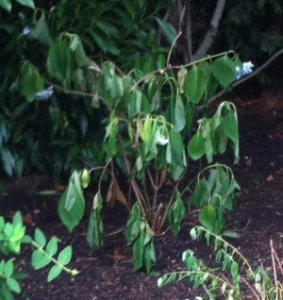
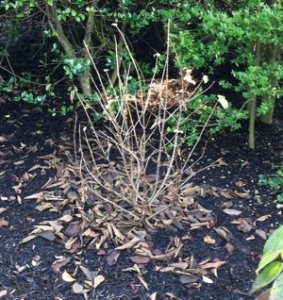
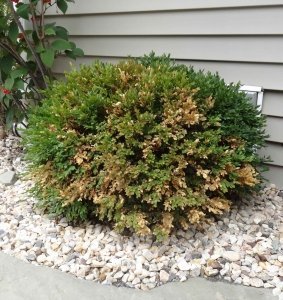
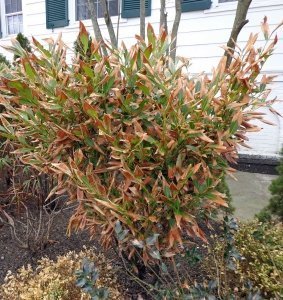
2. Assess winter damage to plants and the landscape.
3. Apply pre-emergent to lawns and beds before the forsythia finish blooming.
4. Prune back hydrangeas and roses now. However, other plants are just waking up, so don’t do any heavy pruning on other trees and shrubs. Have a certified arborist evaluate your fruit trees.
5. Cut back liriope and perennials. Now is a good time to divide perennials.
6. Watch for settlement from freeze/thaw cycles around new pools and drywells.
7. Review photos from last year’s vegetable and annual plantings.
8. Add organic amendments like compost to the soil in early spring.
9. Rotate crops, especially vegetables. Organically add nitrogen back to the soil by planting soy beans or peas.
11. Plant summer annuals after May 15th (wait for danger of frost to pass). Having a summer party? Plan your annuals now for robust color and lush beds. Get your tubers ready. Dahlias and Canna Lilies are ready to go in soon!
12. Monitor your irrigation system. DO NOT overwater. Adjust the watering schedule as summer approaches.
13. Experiment with alternatives to impatiens. DO NOT plant Impatiens walleriana! They have a problem with downy mildew all across the United States and they WILL disappoint you. Try something new!
14. Bring in your bird feeders. Birds have plenty of food now. Clean and store them for next winter.
15. Spray horticultural oil to smother insect egg cases. Check your lawn for divots. Does it look like a really poor golfer has been there? Those holes are from squirrels, raccoons and birds looking for food.
16. Watch for frosty nights and protect newly planted and tender annuals and vegetables.
17. Join a CSA (Community Supported Agriculture) farm. They’re popping up all over. If you have a small piece of property or too much shade, this is a great way to contribute to a cooperative garden and reap the benefits in fruits, vegetables and friendships.
18. Test your lawn’s pH. Let the soil and our trained horticultural experts tell you what it needs.
19. Check the garden shed for old and outdated fertilizers and chemicals. Dispose of them properly.
20. Last, but certainly not least, consult with your favorite landscape designer. Now is a great time to contact us. Call to set up an appointment with one of our talented landscape designers at (631) 271-6460 to discuss your ideas.
Soon pansy faces will great us from pots and daffodil manes from the beds.
Written by Ashley Palko Haugsjaa and Sal Masullo
 Feels a little tropical, even in the winter
 They sell all kinds of gadgets to help an indoor plant owner; moisture meters, irrigation globes, grow lights, and other products, but nothing compares to experience. So buy a plant and start learning! Start with something easy, like the aforementioned Snake Plant. Seriously, you can’t kill it. I brought one home from college and it didn’t take the move well. I took it out of the soil and left it to dry out in a vase for over a year. Repotted it and that Snake Plant is thriving today. Dracaena marginata, Dracaena ‘Janet Craig’ or a Spider Plant would also be good to start with. Some of the other plants in my home are Ponytail Palm, Jade Plant, Dracaena, African Violets, Orchids, cacti, Agave, Aloe and an array of succulents, among others. They all have different colors and textures to liven up my living areas. The Aloe is especially helpful if I burn myself in the kitchen. I even have basil and mint in one of my greenhouse windows. I miss my herb and vegetable garden immensely in the winter and these tide me over until spring. Next year I’m going to see if I can bring more inside!
 Post Hurricane Sandy redesign for waterfront residence: no lawn, salt tolerant plants, bermed to deter flooding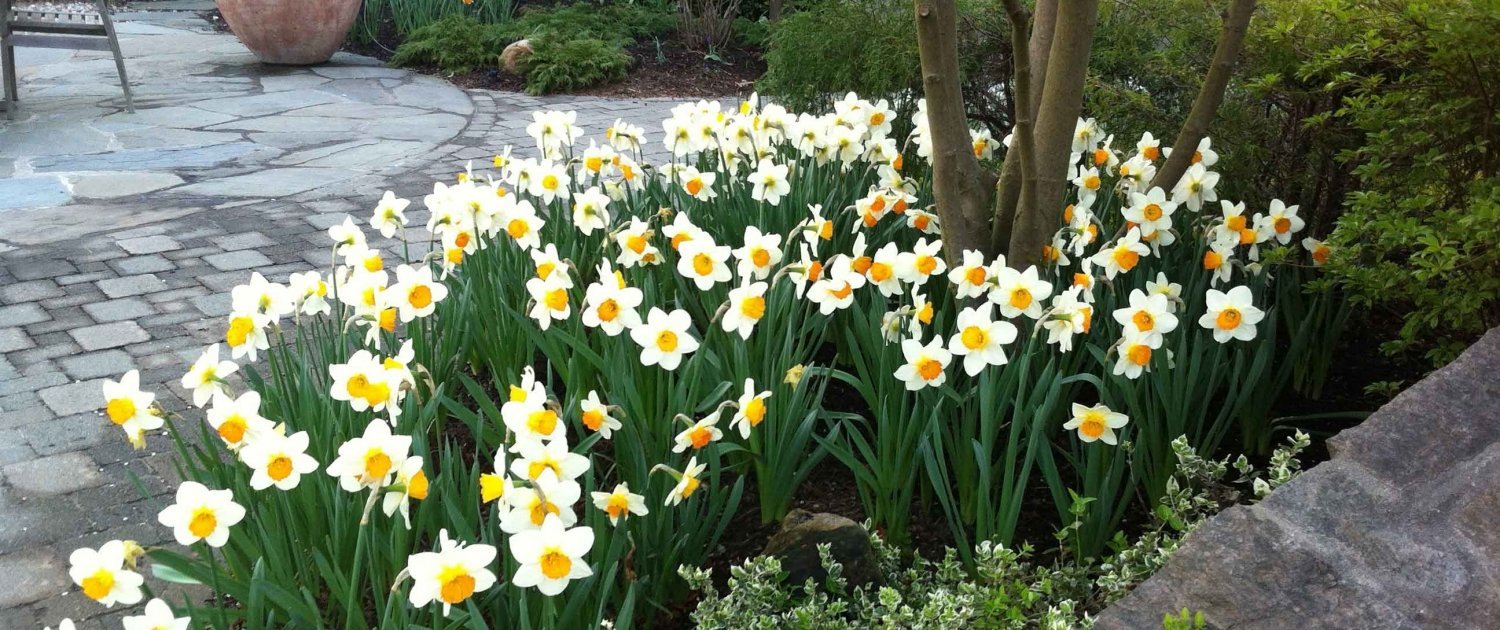
 A picture every year to document where your bulbs come up helps to plan for next year
 EVERGREENS: They stand out this time of year without competition from flowering trees and shrubs. My favorites species are all types of Holly, Evergreen Magnolia, Cypress and Blue Spruce. Hollies are a deep, shiny green and some have red berries which are great for birds. Variegated English Holly is used as a specimen with the white variegation highlighting any garden space. Interesting structural forms pop when combined with blue-green or yellow foliage on different cultivars of Hinoki Cypress. Anything blue toned like the Colorado or Dwarf Montgomery Spruce is a welcome sight in the winter. I also use cuttings from these for winter decoration in my garden pots and urns or even in a vase indoors.
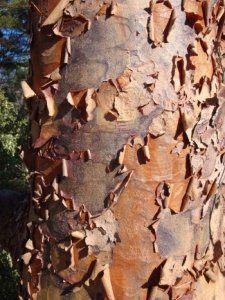 DECORATIVE BARK: Once trees lose their leaves for the winter, their interesting structure and bark is more noticeable. Textures range from the exfoliating bark of River Birch, the cinnamon color and exfoliating bark of Crape Myrtle to the the mottled bark of a mature Sycamore, Dogwood or Stewartia to the smooth, gray bark of a Beech tree. Branching habits are visible on the Contorted Filbert, also known as Harry Lauder’s Walking Stick, or the Corkscrew Willow with its curly, twisting branches. These are great to cut and bring indoors for floral arrangements or to use as a support for other indoor plants.
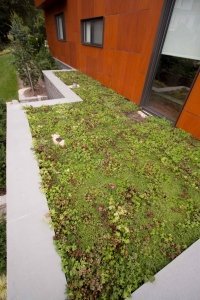
 A green roof or wall is just one of many steps toward more sustainable and environmentally friendly landscapes. We installed two green roofs at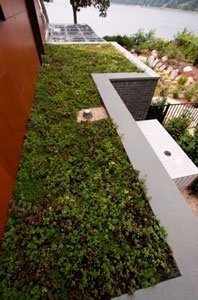
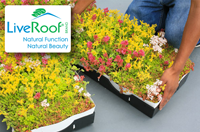 LiveRoof plant modules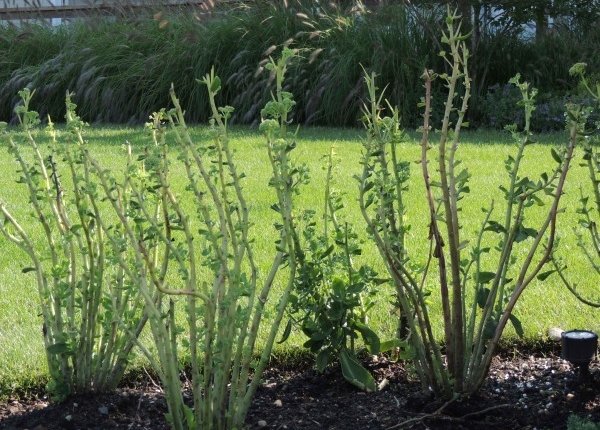
 As we enter November and the mums finish flowering, fall may feel bittersweet. Bitter in the sense that winter is approaching and sweet with the delicious aromas of pumpkin spices, wood smoke and hot apple cider. Fall is a great time to witness local foliage change from green to rich, vibrant hues of purple, red, orange and gold.
 Dwarf Fothergilla in fall color
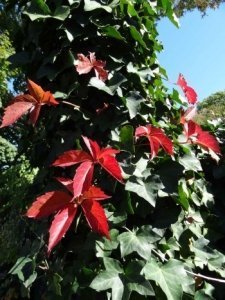 Virginia Creeper in English Ivy