Long Island PULSE Magazine Article – Fall Takes Root
 Fall Takes Root
Cool-weather gardening with landscape designer Thomas Rodler
Author: Ruth Thomas | Published: Friday, September 20, 2013 | Long Island PULSE Magazine
Spring has earned its reputation as the time to plant, but fall is also a good time to add an eye-catching mix of cool-weather plants to any landscape. Flower and shrub species that thrive in warm days and cooler nights can take root now and establish a full year of growth to come. Thomas Rodler, president of Goldberg & Rodler, offers a few pointers for establishing an autumn garden.
Long Island Pulse: What can be planted now for the biggest pop of color in the fall?
Thomas Rodler: Ornamental cabbages and kale are popular and I haven’t had a deer issue with them. Montauk daisies are beautiful white perennial flowers that last until frost while sedums have interesting pink to dark purple foliage and will flower in the fall. Bugbane has a tall white plume flower and tolerates shade. Fall flowering asters come in pink, blue or white. Purple to pink Joe-Pye weed flowers until frost and Russian sage has spikes of blue flower that last into fall… Some fall flowering trees are sourwood (white flowers), witch hazel (yellow to gold flowers) and the autumn flowering cherry tree, which gives brilliant pinkish-white color. The Japanese dogwood tree has a fruit center that becomes a very pronounced pinkish color in the fall. Planting in the fall, when irrigation is often reduced, sometimes requires supplemental watering to avoid stressing the plant before winter. A good rule of thumb is to give a new plant about one inch of water per week throughout the fall.
LIP: What shrubs grow in quickly to add privacy shortly after planting?
TR: For a shady property, plant skip laurel or holly shrubs. By the water, try more native plants like bayberry shrubs, eastern red cedars and junipers that fill in nicely. For a sunny location, plant evergreens such as the dark green ‘Green giant’ western red cedar (arborvitae), the bluish-green white pine, with bluish-green needles and the silvery-blue Colorado blue spruce for their height and because they provide a natural-looking border. In the wintertime if your yard has a lot of wind I recommend applying an anti-transpirant or anti-desiccant spray to newly planted evergreens to protect them from drying out and burning.

LIP: What are some specimen tree options and where should they be planted in the front yard?
TR: Be very selective where you place a specimen tree as it is just an accent. Put it in a prominent spot but treat it like a unique piece of sculpture. The weeping white pine noted for its shape grows 8 to 10 feet tall and weeps down with its soft bluish-green foliage. The bloodgood Japanese maple has dark red foliage that is very contrasting. The weeping Norway spruce has lush dense foliage. Chances are the tree will be shaped at the nursery you buy from, but when it comes time to prune next year, do it between the end of August and the end of November, so the wound has time to heal before winter.
Fall Takes Root | Long Island Pulse Magazine – Covering Long’s Island lifestyles, arts, fashion, business, nightlife and entertainment
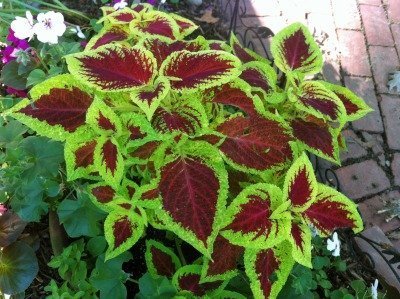
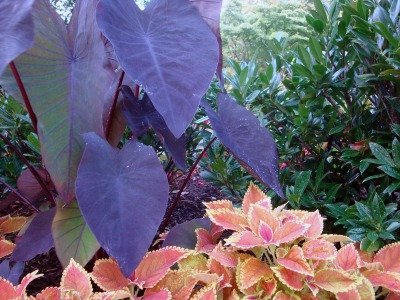
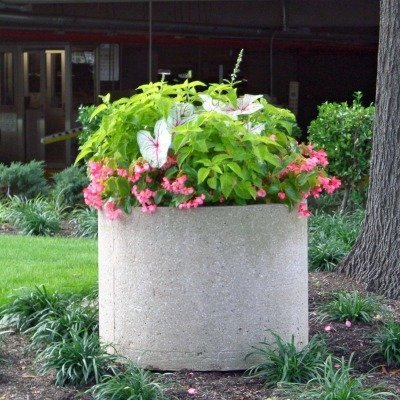
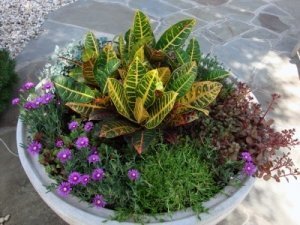 Impatiens, lantana, elephant ears, petunias and other annuals are found in summer gardens year after year. The blight on impatiens has taken the number one landscape annual out of commission. Dragon Wing begonias are a great shade alternative. They flower profusely and look great in a bed or a container and provide a unique texture in the landscape.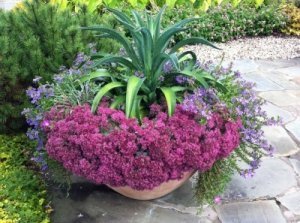
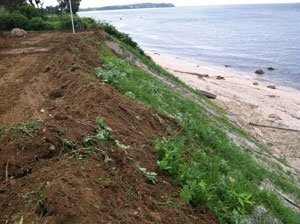
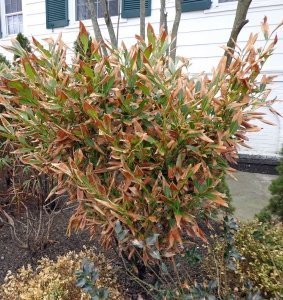 Strong winds during last year’s Hurricane Sandy cause a lot of damage to trees and shrubs in the landscape by uprooting them and breaking limbs. That damage was immediately obvious.


 Sign up now for our Fall/Winter Services. If you haven’t given a thought to protecting your broadleaf evergreens yet, it isn’t too late! An anti-desiccant spray can reduce water loss through the leaves during a time when your plants can’t take in water from the frozen ground. Reapply in mid-winter.